Mold Prevention Post-Water Damage in Port Saint Lucie: Protect Your Property After a Leak
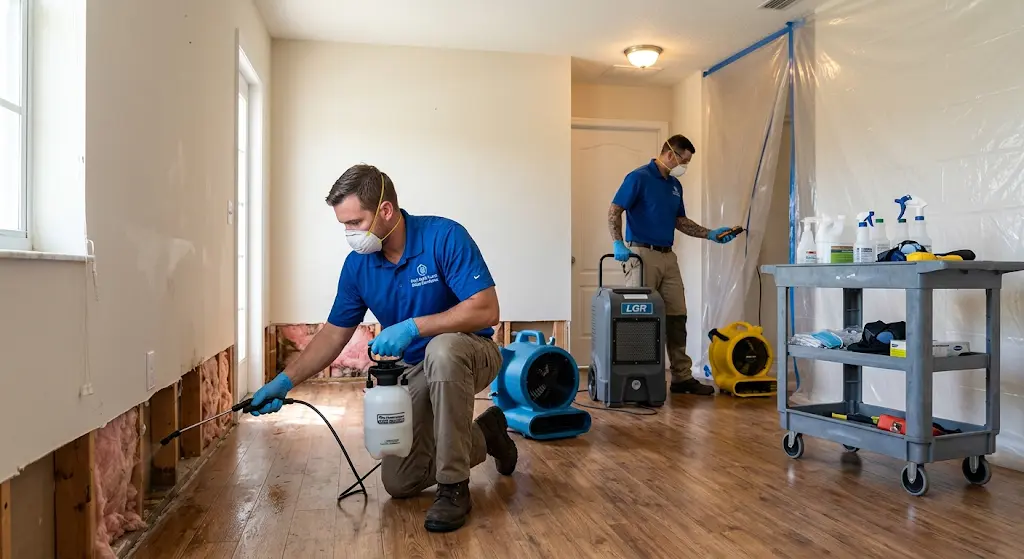
Mold prevention post-water damage in Port Saint Lucie with professional drying and moisture detection services

Effective mold prevention post-water damage in Port Saint Lucie can make a significant difference in how well a residential or commercial property recovers after flooding, plumbing failures, roof leaks, appliance malfunctions, or storm-related water intrusion. Removing visible water is only the beginning. Moisture can remain inside walls, flooring, cabinetry, insulation, and other porous materials long […]

Fire Damage Cleanup: Step-by-Step Guide
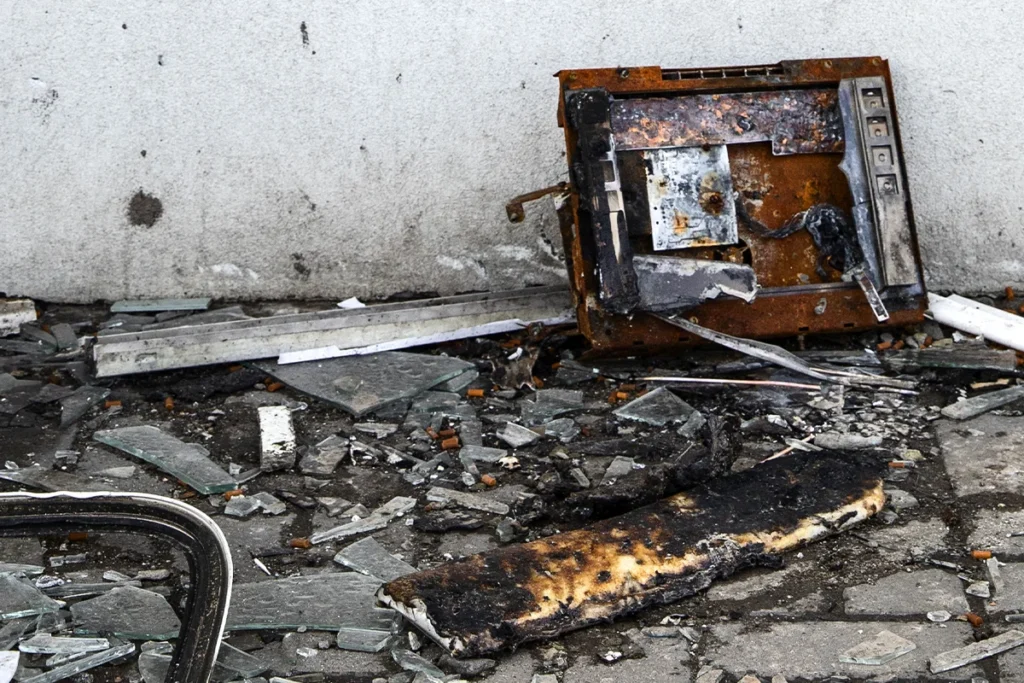
A fire can change a home or business in minutes, but an organized recovery plan can prevent additional loss. The most effective fire damage cleanup steps begin with safety, documentation, and fast professional support—not with scrubbing walls or moving furniture. Smoke, soot, water, unstable materials, and electrical hazards may remain after the flames are out. Knowing what happens next helps property owners protect their health, preserve belongings, and make informed decisions during recovery. Cleanup involves much more than improving appearances. A complete response must address hidden contamination that can cause odors, corrosion, mold growth, or structural deterioration. Some materials can be restored, while others must be removed. This guide explains the process from inspection through repairs and shows when restoration professionals should take control. Step 1: Confirm Safety and Inspect the Damage Do not enter until the fire department or another authorized professional confirms the property is safe. Burned roofs, weakened floors, broken glass, exposed wiring, contaminated water, and hot spots can create serious risks. One of the first fire damage cleanup steps is arranging an inspection that identifies structural instability, smoke migration, moisture, and damaged utilities. Keep children, pets, employees, and unprotected visitors away until hazards are evaluated. Restoration specialists then create a preliminary scope of work. They identify rooms directly affected by flames, areas exposed to smoke or soot, and materials saturated by firefighting water. This damage assessment supports cleanup priorities, cost estimates, and insurance documentation. Avoid using appliances, lights, or HVAC equipment because electrical systems may be compromised and air circulation can spread soot into clean spaces. Step 2: Document Losses and Secure the Property Before cleanup changes the scene, photograph visible damage when it is safe. Capture wide room views and close-ups of affected finishes, appliances, furniture, and personal property. Create an inventory with item descriptions, estimated purchase dates, and replacement values. Strong insurance documentation helps adjusters understand which items need cleaning, repair, or replacement and reduces confusion later in the claim. Next, prevent further loss through emergency board-up, roof tarping, temporary fencing, or lock replacement. Aquaseekers LLC provides 24/7 emergency restoration, including fire cleanup, smoke and odor removal, soot cleanup, emergency board-up, and emergency dry-out services. We serve South Florida’s tri-county areas but we can also travel statewide; furthermore, we offer direct insurance billing, and work with insurance companies. Step 3: Remove Water and Dry the Structure Fire suppression often leaves significant water behind. Hoses, sprinklers, and damaged plumbing may saturate carpet, drywall, cabinetry, insulation, and framing. Prompt extraction is essential when restoring fire-affected areas because moisture can weaken materials and support mold growth. Technicians may use pumps, extraction equipment, air movers, and dehumidifiers while checking moisture levels in affected areas. Drying must be coordinated with contamination control. Moving air through soot-covered rooms without containment may spread particles across the property. Restoration professionals establish drying zones, protect unaffected areas, and remove materials that cannot be dried safely. This combined approach treats fire and water damage together and lowers the risk of hidden moisture appearing after reconstruction begins. Step 4: Perform Debris Removal After Fire Once the building is stable and water is controlled, the team begins debris removal after fire. Burned materials, broken glass, ruined furnishings, contaminated food, and unsafe contents are sorted under the restoration plan. Salvageable belongings should be separated from total-loss items, but insured property should not be discarded before it is documented and approved for removal. Controlled demolition may include removing charred drywall, insulation, flooring, ceilings, or cabinetry. Unnecessary demolition raises costs, while leaving heavily damaged porous materials can trap odors and contamination. Effective source removal eliminates unsalvageable materials before detailed cleaning begins. Containment also keeps soot and demolition dust from moving into unaffected sections. Step 5: Clean Soot and Smoke Residue Soot varies according to the fuel, fire temperature, and burned materials. Dry soot may be powdery, while wet smoke residue usually sticks to surfaces making it difficult to remove. Technicians choose methods such as dry cleaning sponges, HEPA vacuuming, specialized detergents, controlled abrasion, or sealing. Incorrect cleaning can smear residue, harm finishes, or push contamination deeper into porous surfaces. Cleaning usually moves from ceilings and upper surfaces downward. Walls, trim, fixtures, flooring, cabinets, and structural components are treated according to material type. HVAC systems may also need inspection because smoke can travel through ducts. Proper soot removal must occur before painting or sealing; otherwise, stains, odors, and adhesion problems may return. Step 6: Restore Smoke-Damaged Belongings The process of cleaning smoke-damaged items may include surface wiping, ultrasonic cleaning, laundering, deodorization, electronics treatment, or off-site specialty care. Nonporous belongings are often easier to recover than mattresses, upholstered furniture, paper, or unfinished wood. Food, medicine, cosmetics, and items exposed to intense heat or chemicals frequently require disposal. Avoid placing heavily affected belongings in household washing machines or applying standard cleaners without guidance. Heat, agitation, or moisture may set stains and odors permanently. Restoration teams can photograph, inventory, pack out, and clean contents in a controlled facility. A professional contents evaluation helps prioritize sentimental possessions, records, clothing, artwork, and electronics while controlling costs. Step 7: Eliminate Persistent Odors Odor removal requires treating the source rather than masking it with fragrance. Smoke particles can penetrate drywall, insulation, framing, textiles, and ventilation systems. After debris and soot are removed, technicians may use air filtration, fogging, hydroxyl treatment, specialized cleaning agents, or encapsulating sealers. The appropriate odor-removal method depends on the building, occupancy, materials, and depth of smoke penetration. Deodorization should be verified before finishes and belongings return. If odor remains, wall cavities, attic insulation, ductwork, subfloors, or concealed framing may need further inspection. Persistent odor often signals that contaminated material remains. For that reason, deodorization is part of the overall fire damage cleanup steps, not a final spray used before reconstruction. Step 8: Repair and Restore the Property The last phase focuses on restoring fire-affected areas to a safe, functional condition. Work may involve replacing drywall, insulation, flooring, roofing, cabinetry, wiring, plumbing, windows, and finishes. Smaller fires may need limited repairs, while severe losses can require structural reconstruction. Coordinating mitigation findings with the repair scope, permits, inspections, and material selections helps reduce delays. Before closing the project, review repairs, cleaned contents, moisture readings, odor conditions, and unresolved insurance items. Aquaseekers LLC offers fire and smoke remediation, water removal, structural drying, and restoration support for properties in different areas along the Treasure Coast like Palm Beach County, Vero Beach, Saint Lucie County and the Port Saint Lucie area including Tradition. Our team can help move a property from emergency stabilization toward recovery while maintaining clearer communication among owners, adjusters, and contractors. Begin Your Fire Damage Recovery Waiting can allow smoke residue, moisture, corrosion, and odors to cause further damage. Start with assessment, documentation, stabilization, water extraction, debris removal after fire, soot cleaning, contents restoration, deodorization, and repairs. Completing the work in the correct order protects the structure and creates a more efficient path through insurance and reconstruction. A fire is overwhelming, but recovery becomes manageable with the right restoration team and plan. Prompt action can limit secondary damage, identify salvageable materials, and begin cleaning smoke-damaged items before contamination becomes harder to remove. Taking action now is the first step toward a cleaner, safer, fully restored property. Contact Aquaseekers LLC for emergency assistance and a professional evaluation. In addition, you can call us at (772) 800-7323 or reach us out through our social media profiles on Facebook, YouTube and Instagram

A fire can change a home or business in minutes, but an organized recovery plan can prevent additional loss. The most effective fire damage cleanup steps begin with safety, documentation, and fast professional support—not with scrubbing walls or moving furniture. Smoke, soot, water, unstable materials, and electrical hazards may remain after the flames are out. […]

Health Effects of Mold Exposure | AquaSeekers FL
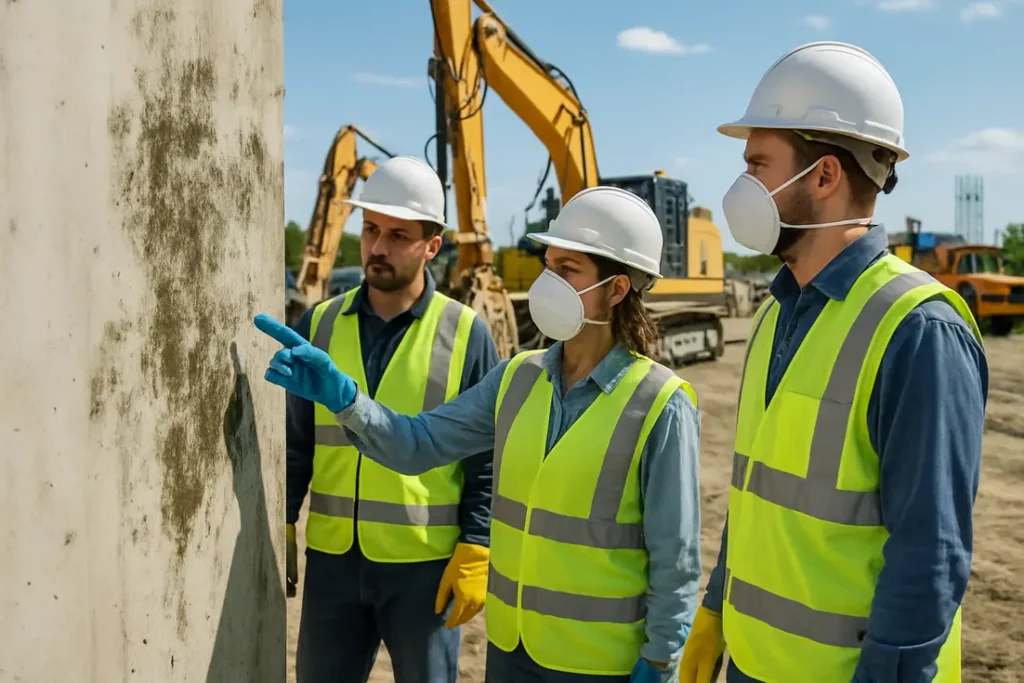
Health effects of mold exposure in a Florida home

Understanding the health effects of mold exposure is essential for anyone living in Florida’s warm, humid climate. From Indian River County to Martin County and throughout Port Saint Lucie, homeowners face a higher-than-average risk of mold development inside their homes. What begins as a small damp patch can quickly become a serious health hazard for […]

Water Damage Insurance Claims: Guide for Beginners
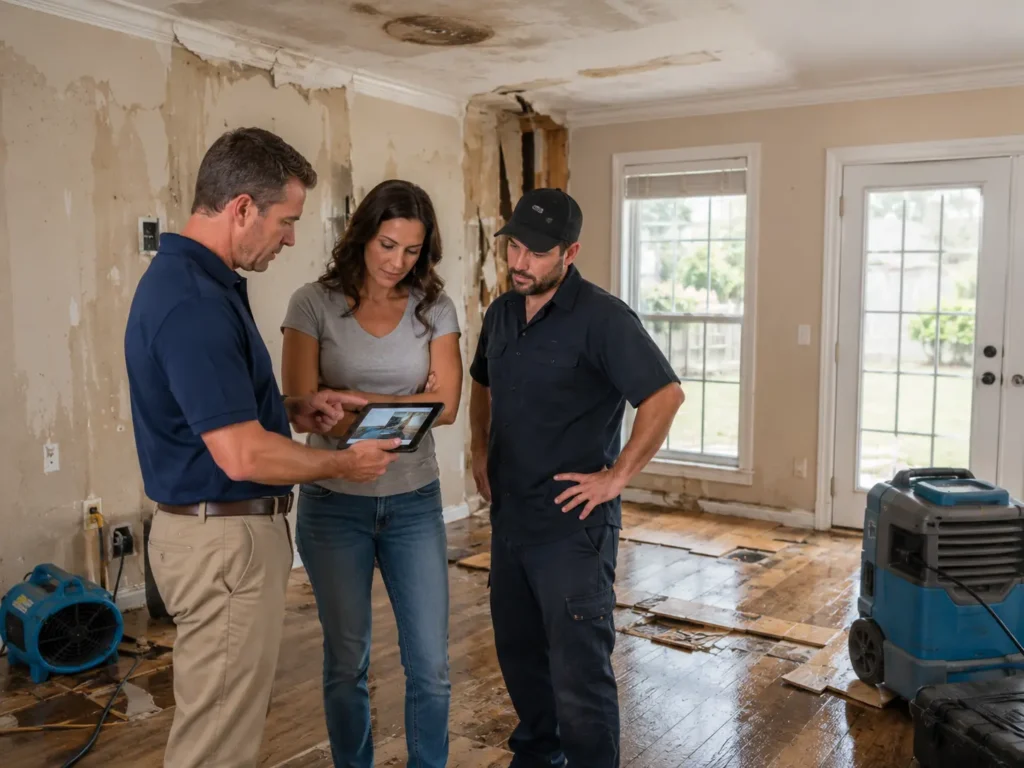
water-damage-insurance-claims-florida

Property owners on the Treasure Coast often need immediate answers about water damage insurance claims and restoration timelines. Water damage can quickly turn into one of the most stressful situations homeowners face in Florida, from Port Saint Lucie to Vero Beach. Understanding what your homeowners’ insurance may cover can help you reduce delays, protect your […]

DIY Mold Removal vs. Professional Services: What You Need to Know
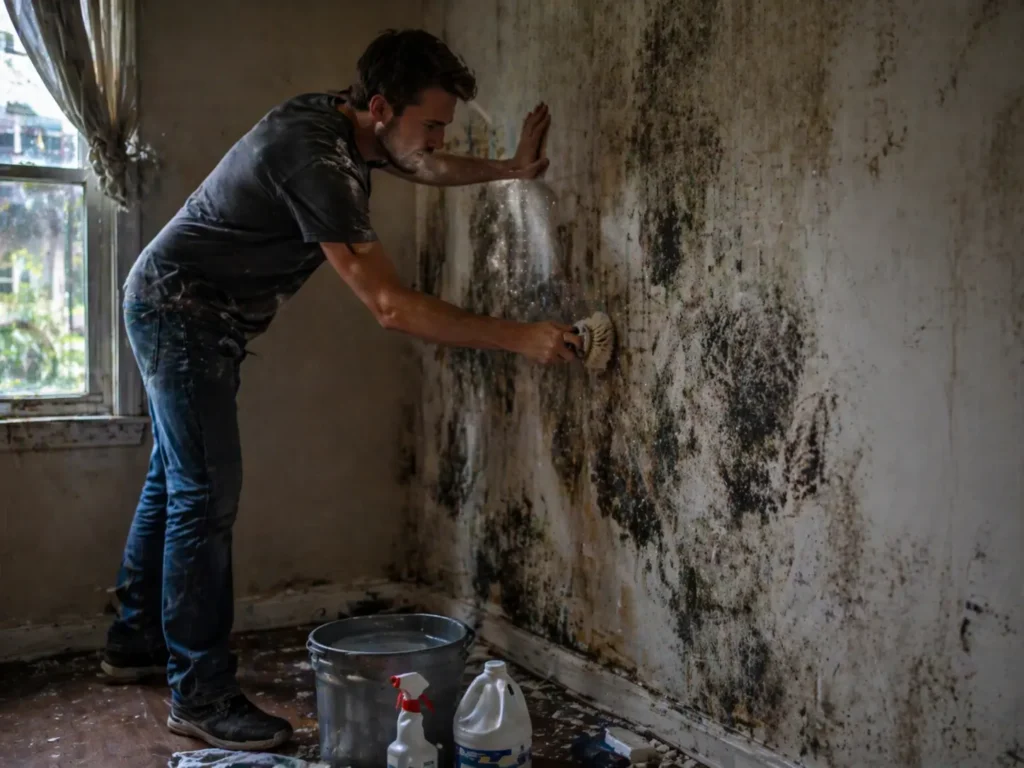
diy-mold-removal-risks-vs-professional-services-benefits

Mold goes far beyond being just an unsightly problem: it can compromise your property value, indoor air quality, and even your health. Many homeowners consider tackling it themselves to save money, but understanding the DIY mold removal risks is essential before making that decision. In this article, we’ll explore the differences between DIY approaches and […]

Fire Safety Tips in Palm Beach County That Protect Homes and Reduce Fire Damage Risks
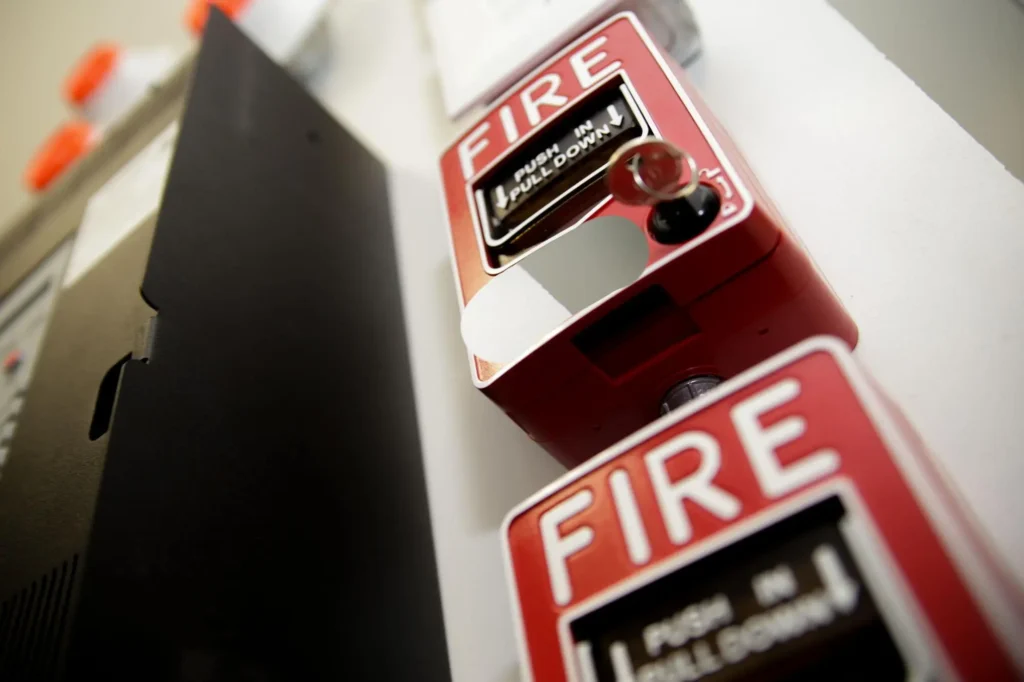
Fire safety tips in Palm Beach County to reduce fire damage and protect properties

Fire safety tips in Palm Beach County are essential for homeowners and property managers who want to protect their investments and avoid costly restoration emergencies. In a region where high temperatures, seasonal storms, and electrical overloads increase fire risks, prevention becomes a strategic decision rather than a simple precaution. At AquaSeekers, we work daily with […]

Basement Water Damage Prevention: A Beginner’s Guide
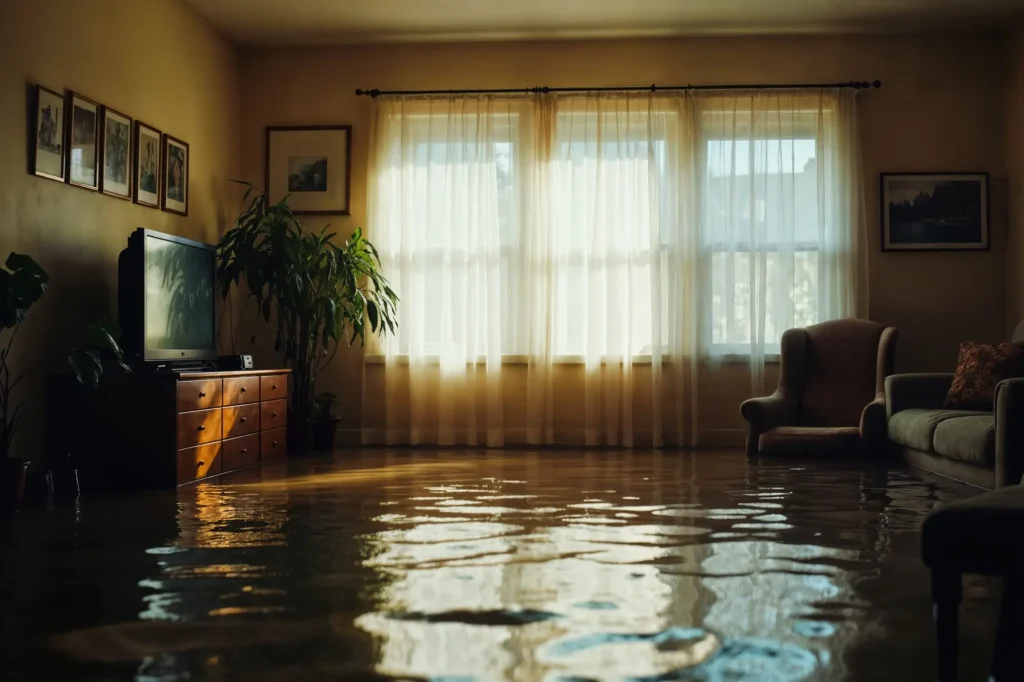
Basement water damage prevention strategies protecting a Florida home foundation

Basement water damage prevention is one of the most critical steps Florida homeowners can take to protect their property from costly repairs, mold growth, and long-term structural issues. Preventing water intrusion before it starts is especially critical in areas like Indian River County, Port Saint Lucie, Martin County, Tradition, PSL, and Saint Lucie County, where […]

Signs You Need Mold Testing
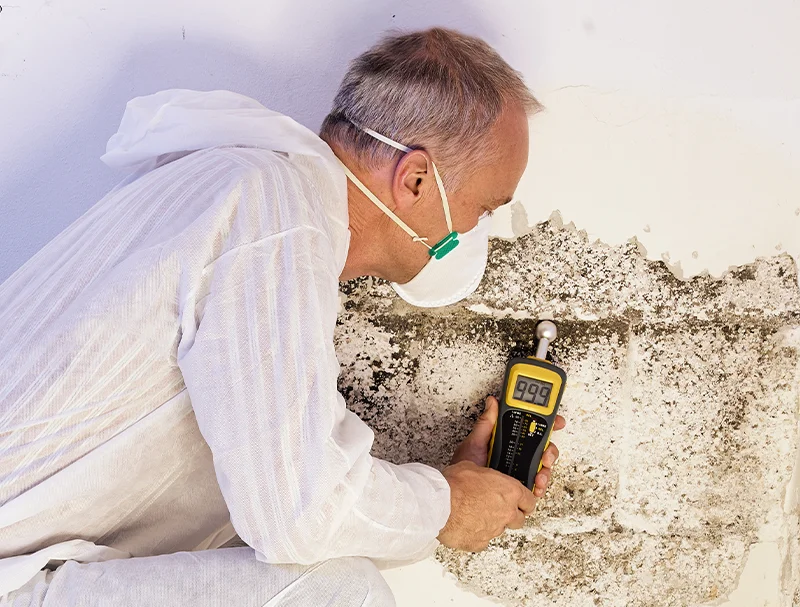
Mold growth inside your home or business isn’t just unsightly — it’s a serious indicator that your environment may be compromised. Recognizing the signs of mold infestation early can protect your property, your indoor air quality concerns, and most importantly, your health. This article will guide you through the essential signals that it’s time to […]