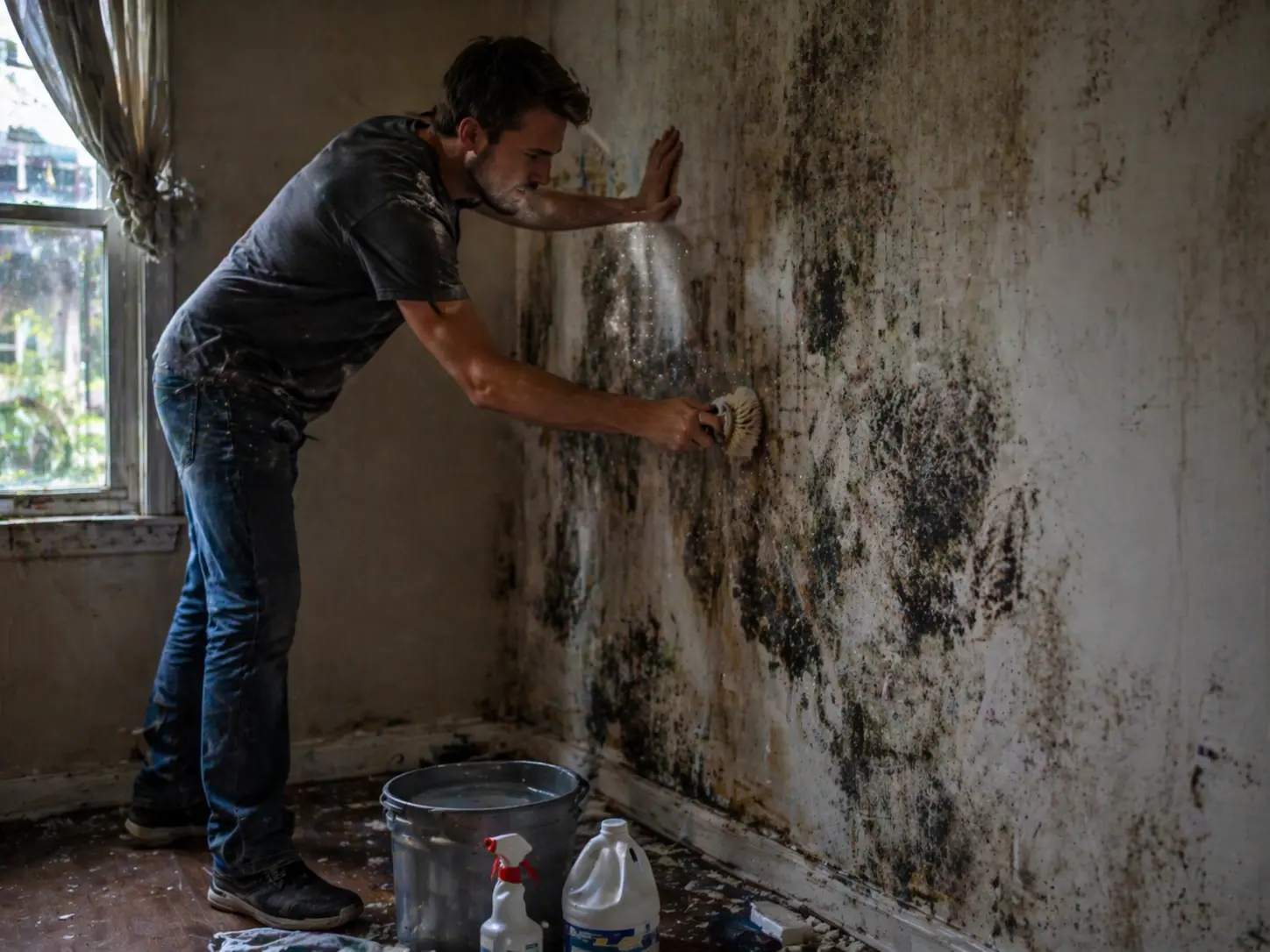
Mold goes far beyond being just an unsightly problem: it can compromise your property value, indoor air quality, and even your health. Many homeowners consider tackling it themselves to save money, but understanding the DIY mold removal risks is essential before making that decision. In this article, we’ll explore the differences between DIY approaches and professional mold remediation, including safety considerations and a realistic cost comparison of mold removal.
Understanding the Scope of Mold Problems
Mold thrives in damp, humid environments and often spreads faster than expected. What may appear as a small patch on a wall could indicate a deeper issue within insulation, drywall, or HVAC systems. One of the most overlooked DIY mold removal risks is underestimating the extent of contamination.
Without proper inspection tools and experience, homeowners may only treat surface mold while leaving hidden growth untouched. This can cause new infestations and even more expensive repairs in the future. In contrast, professional mold remediation services use specialized equipment to detect moisture sources and assess the full scope of the problem.
The Hidden Health Risks of DIY Mold Removal
Mold exposure causes different health issues including respiratory problems and allergic reactions, especially for children, elderly individuals, and those with compromised immune systems. Attempting removal without understanding safety precautions for mold can increase exposure to harmful spores.
Disturbing mold colonies releases microscopic particles into the air, which can spread throughout your home. Without protective gear such as respirators and containment systems, DIY efforts may worsen indoor air quality. This is one of the most serious DIY mold removal risks, as it directly impacts your health and well-being.
Safety Precautions for Mold: Why They Matter
Proper safety precautions for mold go beyond wearing gloves and a mask. Professional remediation teams use sealed containment areas, negative air pressure systems, and HEPA filtration to prevent cross-contamination.
Homeowners often lack access to this level of protection. Even small mistakes—like using a household vacuum instead of a HEPA vacuum—can spread spores further. Understanding and implementing these precautions is critical, but it’s also one of the reasons why professional mold remediation is often the safer option.
Equipment and Expertise: DIY vs. Professionals
DIY mold removal typically involves basic cleaning supplies such as bleach, vinegar, or commercial sprays. While these may eliminate visible mold temporarily, they rarely address the root cause. One major DIY mold removal risk is relying on ineffective methods that fail to prevent regrowth.
Professional teams, on the other hand, use industrial-grade equipment, moisture meters, infrared cameras, and antimicrobial treatments. Their expertise allows them to not only remove mold but also prevent future outbreaks. This level of thoroughness is a key advantage of professional mold remediation.
Cost Comparison of Mold Removal: Short-Term vs. Long-Term
At first glance, DIY mold removal seems more affordable. The upfront costs are limited to cleaning supplies and protective gear. However, a proper cost comparison of mold removal must consider long-term expenses.
If mold returns due to incomplete removal, homeowners may face repeated treatments, structural repairs, or even medical costs. Usually professional services involve a considerable investment at first, but they also offer lasting results and warranties. In many cases, professional mold remediation proves more cost-effective over time.
The Risk of Structural Damage
Mold doesn’t just grow on surfaces—it can penetrate building materials like wood, drywall, and insulation. Ignoring or improperly treating it can weaken structural components. One of the less obvious DIY mold removal risks is failing to identify and repair underlying damage.
Professionals are trained to assess structural integrity and recommend necessary repairs. By addressing both mold and its source, professional mold remediation helps protect the long-term value of your property.
When DIY Mold Removal Might Be Appropriate
There are situations where DIY mold removal can be effective, particularly for small, isolated areas (typically less than 10 square feet). In these cases, following proper safety precautions for mold is still essential.
Homeowners should ensure proper ventilation, use protective equipment, and thoroughly dry the area after cleaning. However, even in these scenarios, understanding the limitations of DIY methods is crucial to avoid escalating the problem. Recognizing the boundaries of DIY mold removal risks helps prevent costly mistakes.
Why Professional Mold Remediation Stands Out
Professional services cover all your needs by including inspection, containment, removal, and prevention. This holistic process minimizes the chance of recurrence and ensures a safer environment.
Companies like Aquaseekers LLC specialize in advanced water damage restoration and mold remediation solutions. By focusing on identifying moisture sources and using cutting-edge techniques, we provide reliable and long-lasting results. Choosing professional mold remediation ensures that every aspect of the problem is addressed efficiently.
The Role of Moisture Control in Mold Prevention
Mold cannot thrive without moisture, making water control a critical factor in prevention. One common DIY mold removal risk is focusing solely on cleaning without addressing leaks, humidity, or ventilation issues.
Professionals prioritize moisture detection and correction as part of their process. Services offered by companies like Aquaseekers LLC emphasize water damage mitigation, which is essential for preventing future mold growth. This proactive approach is a major advantage of professional mold remediation.
Time and Convenience Considerations
DIY mold removal can be overwhelming and time-consuming, especially for those who don’t use the proper techniques. From researching methods to purchasing equipment and performing the cleanup, the process becomes overwhelming from the beginning.
Professional services streamline the entire process, saving time and reducing stress. While evaluating the cost comparison of mold removal, it’s important to, first of all, consider the value of your time and the need for professional assistance to carry out the job. This is another factor that makes professional mold remediation a worthwhile investment.
Insurance and Liability Factors
Sometimes, homeowners insurance covers mold damage, specifically when it is caused by a sudden event like a burst pipe. However, improper DIY attempts can complicate claims.
One overlooked DIY mold removal risk is causing additional damage that may not be covered by insurance. Professional services provide documentation, assessments, and compliance with industry standards, which can support insurance claims. This added layer of protection is another benefit of professional mold remediation.
Making the Right Choice for Your Home
Deciding between DIY and professional mold removal depends on several factors, including the size of the problem, your budget, and your comfort level with risk. Understanding the DIY mold removal risks allows you to make the right decision prioritizing safety and ensuring long-term results.
For larger or more complex cases, investing in professional mold remediation is often the smarter choice. With proper safety precautions for mold, advanced equipment, and expert knowledge, professionals deliver a level of effectiveness that DIY methods rarely achieve.
Knowing the Difference to Make a Difference for your Home
Mold is a serious issue that requires careful attention and the right approach. While DIY methods may seem appealing, the potential DIY mold removal risks—from health hazards to recurring infestations—should not be underestimated.
A thorough cost comparison of mold removal often reveals that professional services provide better value in the long run. With companies like Aquaseekers LLC offering specialized expertise in water damage and mold remediation, homeowners in areas like Vero Beach, Palm Beach County, Saint Lucie West and Martin County in the Treasure Coast have access to reliable solutions that ensure safety, efficiency, and peace of mind.
Choosing the right path isn’t just about saving money—it’s about protecting your home, your health, and your future.